When a severe storm hits North Texas, many homeowners are left wondering what to do next. Hail, high winds, and falling debris can cause significant roof damage, but navigating the insurance claim process can feel overwhelming if you’ve never done it before.
The good news is that most homeowner insurance policies cover storm-related roof damage. Understanding the process can help you avoid delays, reduce stress, and ensure your roof is properly repaired or replaced.
In this guide, we’ll walk you through how roofing insurance claims typically work in Texas and what homeowners should expect along the way.
Step 1: Inspect Your Property After The Storm
After a hailstorm or severe weather event, take a walk around your property and look for signs of damage.
Common signs include:
- Dented gutters and downspouts
- Missing shingles
- Debris on the roof
- Damaged fences
- Torn window screens
- Dented garage doors
- Broken tree branches
Even if you don’t see obvious roof damage, it’s important to remember that hail damage is often difficult to spot from the ground.
Step 2: Schedule A Professional Roof Inspection
Before filing an insurance claim, many homeowners choose to have their roof inspected by a professional roofing contractor.
A roofing inspection can help identify:
- Hail damage
- Wind damage
- Missing shingles
- Damaged flashing
- Roof leaks
- Other storm-related issues
A professional inspection provides valuable documentation and can help determine whether filing a claim makes sense.
If no damage is found, you may avoid filing an unnecessary claim.
Step 3: File Your Insurance Claim
If storm damage is discovered, the next step is contacting your insurance company.
Most insurance companies allow claims to be filed by:
- Phone
- Mobile app
- Online portal
- Your insurance agent
When filing a claim, you’ll typically need:
- Your policy information
- Date of the storm
- Description of the damage
- Photos if available
The insurance company will then open a claim and assign an adjuster to inspect the property.
Step 4: Meet With The Insurance Adjuster
The insurance adjuster’s job is to inspect the property and determine whether the damage is covered under your policy.
During the inspection, the adjuster will evaluate:
- Roof condition
- Storm-related damage
- Exterior damage
- Gutters and downspouts
- Other affected structures
Many homeowners choose to have their roofing contractor present during the adjuster’s inspection.
This helps ensure all damage is properly identified and documented.
Step 5: Review The Insurance Estimate
After the inspection, the insurance company will provide an estimate outlining what they believe is covered under the claim.
This estimate typically includes:
- Covered repairs
- Replacement costs
- Depreciation amounts
- Deductible information
- Payment details
It is important to review this estimate carefully.
In some cases, additional damage may be discovered during the roofing project that was not visible during the initial inspection.
Understanding Actual Cash Value vs. Replacement Cost
Not all insurance policies work the same way.
Many homeowners have either:
- Actual Cash Value (ACV) Coverage
- Replacement Cost Value (RCV) Coverage
Actual Cash Value policies factor in depreciation, meaning the insurance company may pay less based on the age and condition of the roof.
Replacement Cost policies generally provide coverage for replacing the damaged roof with comparable materials, subject to policy limits and deductibles.
Your insurance agent can explain the specific coverage details in your policy.
Step 6: Choose A Roofing Contractor
Once your claim is approved, it’s time to select a roofing contractor.
Choosing the right contractor is one of the most important decisions you’ll make.
Look for a company that:
- Has local experience
- Is properly insured
- Has positive customer reviews
- Provides clear communication
- Offers workmanship warranties
- Has experience with insurance claims
Be cautious of out-of-town storm-chasing contractors who appear immediately after major weather events.
Local roofing companies are often better positioned to provide long-term support and warranty service after the project is completed.
Step 7: Roof Replacement Or Repairs Begin
Once materials are ordered and scheduling is complete, work can begin.
Depending on the size and complexity of the project, most residential roof replacements can be completed in one to two days.
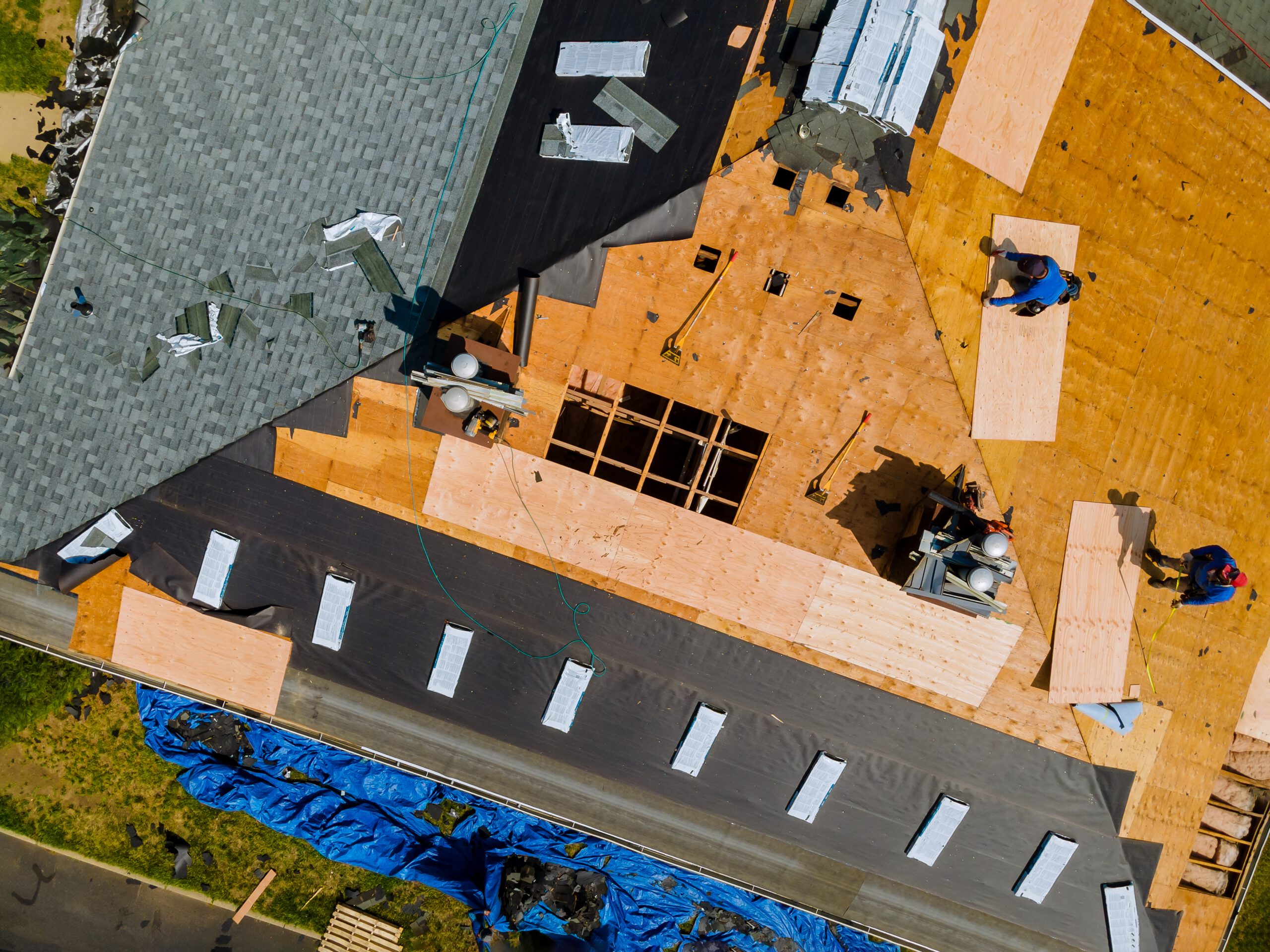
During the project, your contractor may discover additional damage beneath the roofing materials.
If supplemental repairs are necessary, additional documentation may be submitted to the insurance company for review.
Step 8: Final Inspection And Claim Completion
After the roofing work is completed, a final inspection is typically performed to ensure everything meets quality standards.
Your contractor will verify that:
- The roof was installed properly
- Materials meet specifications
- The property is cleaned up
- All work is completed as agreed
Once the project is finalized, any remaining insurance paperwork can be completed and the claim closed.
Common Mistakes Homeowners Should Avoid
While the insurance process is usually straightforward, there are a few mistakes homeowners should avoid.
- Waiting too long to inspect storm damage
- Ignoring small signs of roof damage
- Hiring the cheapest contractor without research
- Failing to document damage
- Not understanding deductible requirements
- Assuming every claim automatically results in a full roof replacement
Taking a proactive approach can help the process go much more smoothly.
Do Not Wait To Address Storm Damage
One of the biggest mistakes homeowners make is delaying an inspection after a storm.
Even if a roof is not actively leaking, hidden hail damage can shorten the lifespan of roofing materials and eventually lead to larger problems.
The sooner damage is identified, the easier it is to protect your home and begin the claims process if necessary.
Protect Your Home After The Next North Texas Storm
Texas weather can be unpredictable, and severe storms can cause significant roofing damage with little warning.
Understanding how the insurance claim process works helps homeowners make informed decisions and avoid unnecessary stress after a storm.
If your home has recently experienced hail, wind, or storm damage, scheduling a professional roof inspection is often the best first step. A qualified roofing contractor can evaluate the condition of your roof, document any damage, and help guide you through the insurance process from start to finish.
By acting quickly and working with an experienced roofing professional, you can protect your home, maximize your insurance benefits, and restore your roof with confidence.