Homeowners in the Dallas-Fort Worth area deal with some of the toughest roofing conditions in Texas. Between hailstorms, high winds, heavy rain, extreme heat, and rapid temperature changes, roofs in North Texas take a beating year after year.
Even a well-installed roof can develop problems over time. The key is knowing what to watch for and addressing issues before they turn into major damage.
Below are some of the most common roofing problems DFW homeowners face and why it is important to have your roof inspected when you notice warning signs.
1. Hail Damage
Hail damage is one of the most common roofing problems in North Texas. Hail can bruise shingles, knock off protective granules, dent metal vents, damage flashing, and weaken the overall roofing system.
From the ground, hail damage is not always easy to see. Your roof may look normal while still having damaged shingles that can lead to leaks later.
Common signs of hail damage include:
- Dented gutters or downspouts
- Granules collecting in gutters
- Dark spots on shingles
- Cracked or bruised shingles
- Damage to window screens, fences, or outdoor furniture
After a major hailstorm, it is a good idea to schedule a professional roof inspection, even if you do not see an active leak.
2. Wind Damage
Strong winds can lift, loosen, or remove shingles from your roof. Once shingles are damaged or missing, the layers underneath become exposed to rain and moisture.
Wind damage can also affect flashing, ridge caps, vents, and other roof components. Sometimes wind lifts shingles just enough to break their seal, even if they do not blow off completely.
Signs of wind damage may include:
- Missing shingles
- Lifted or curled shingles
- Loose ridge caps
- Debris on the roof
- Water stains after storms
If you notice shingles in your yard or see exposed areas on your roof, do not wait. Wind damage can quickly lead to leaks during the next rain.
3. Roof Leaks
Roof leaks are one of the most obvious signs of a roofing problem, but they are not always easy to trace. Water can enter in one area and travel along rafters, decking, or insulation before showing up inside the home.
Leaks commonly occur around:
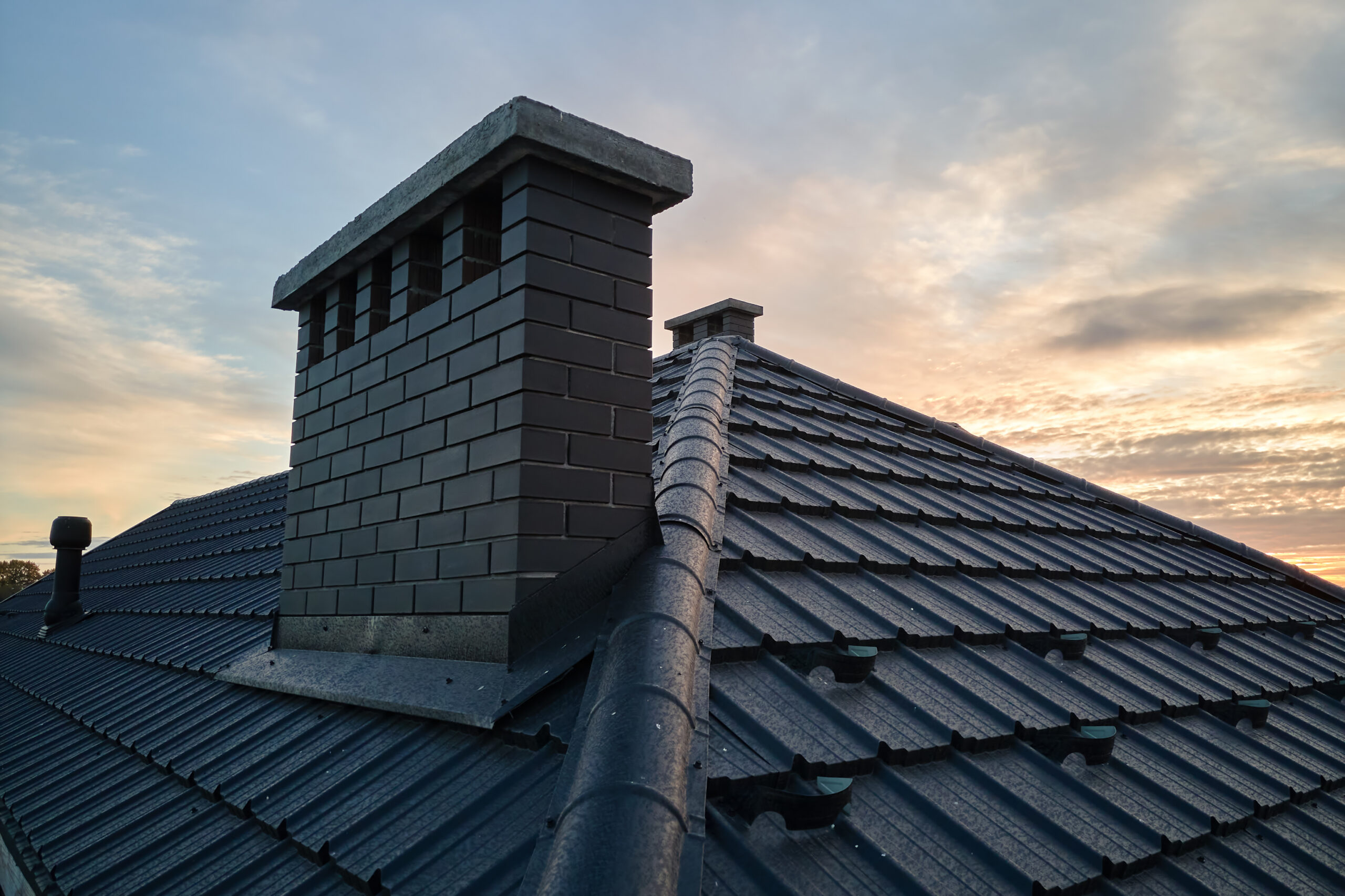
- Chimneys
- Skylights
- Roof vents
- Pipe boots
- Valleys
- Flashing
- Damaged shingles
Interior signs of a roof leak include brown ceiling stains, peeling paint, bubbling drywall, damp insulation, or musty odors in the attic.
Even a small leak should be inspected quickly. What starts as a minor issue can lead to mold, wood rot, insulation damage, and costly interior repairs.
4. Damaged Or Improper Flashing
Flashing is the metal material installed around roof transitions and penetrations. Its job is to direct water away from vulnerable areas.
Flashing is commonly found around chimneys, skylights, walls, vents, and roof valleys.
If flashing is cracked, rusted, loose, or improperly installed, water can seep into the roofing system. Flashing problems are one of the most common causes of roof leaks.
A professional roofer can inspect flashing and determine whether it needs to be sealed, repaired, or replaced.
5. Clogged Or Damaged Gutters
Gutters play an important role in protecting your roof, siding, foundation, and landscaping. When gutters are clogged with leaves, granules, dirt, or debris, water can back up along the roofline.
This can lead to fascia damage, roof edge deterioration, leaks, and foundation problems.
Signs of gutter issues include:
- Water overflowing during rain
- Sagging gutters
- Rust or cracks
- Water pooling near the foundation
- Granules collecting near downspouts
Keeping gutters clean and properly attached helps prevent water from damaging your roof and home exterior.
6. Poor Attic Ventilation
Proper attic ventilation is especially important in Texas. Without enough airflow, heat and moisture can build up inside the attic.
Excessive attic heat can cause shingles to age faster, increase energy costs, and make your air conditioning system work harder. Moisture buildup can also lead to mold growth and wood damage.
Signs of poor ventilation may include:
- Very hot attic temperatures
- High cooling bills
- Premature shingle aging
- Moisture or mold in the attic
- Uneven indoor temperatures
A roofing professional can inspect your ventilation system and recommend improvements if needed.
7. Aging Roofing Materials
All roofs have a lifespan. As roofing materials age, they become more vulnerable to storm damage, leaks, and general wear.
Older asphalt shingles may begin to curl, crack, lose granules, or become brittle. Once shingles can no longer protect the roof properly, repairs may become less effective.
If your roof is approaching 20 years old, it is a smart idea to have it inspected. A professional can help determine whether repairs are enough or if replacement should be considered.
8. Damaged Pipe Boots And Roof Vents
Pipe boots and roof vents are small components, but they are common sources of leaks. The rubber around plumbing vent pipes can crack over time due to sun exposure and weather.
Once the seal fails, water can enter around the pipe and leak into the attic or ceiling below.
Because these areas are easy to overlook, they should be checked during routine roof inspections.
9. Tree Damage And Debris
Overhanging tree branches can scrape shingles, drop debris, and create shaded areas where moisture lingers. During storms, branches can break and damage the roof directly.
Leaves, sticks, and debris can also collect in valleys and gutters, preventing proper drainage.
Keeping trees trimmed back from your roof can help reduce the risk of damage and extend the life of your roofing system.
10. Poor Installation
Even high-quality roofing materials can fail early if they are not installed correctly. Poor workmanship can lead to leaks, lifted shingles, flashing problems, ventilation issues, and premature roof failure.
Common installation problems include:
- Incorrect nail placement
- Improper flashing installation
- Poor ventilation setup
- Misaligned shingles
- Inadequate sealing around roof penetrations
This is why choosing an experienced local roofing contractor is so important.
Protect Your DFW Home With Regular Roof Inspections
Dallas-Fort Worth weather can be unpredictable. A roof that looks fine today may have hidden storm damage from the last hail or wind event.
Regular roof inspections help identify small problems before they become major repairs. Whether your roof has visible damage, an active leak, or has simply not been checked in a while, an inspection can give you peace of mind.
If you live in the DFW area and are concerned about hail damage, wind damage, leaks, aging shingles, or any other roofing issue, contact a trusted local roofing contractor for a professional inspection.
Taking care of your roof now can help protect your home, avoid costly damage, and keep your property ready for the next North Texas storm.