One of the first questions homeowners ask when considering a roof replacement is, “How much is a new roof going to cost?” While that is an understandable question, the truth is that roofing costs can vary significantly depending on several factors.
In the Dallas-Fort Worth area, roof replacement costs are influenced by the size of the roof, the materials selected, the complexity of the project, and whether storm damage or insurance claims are involved.
In this guide, we’ll break down the factors that affect roofing costs and help you understand what to expect when budgeting for a new roof in 2026.
Why Roofing Costs Vary So Much
No two roofs are exactly alike. Even homes with similar square footage can have dramatically different roofing costs due to differences in roof design, material choices, and existing conditions.
Factors that impact roof replacement costs include:
- Roof size
- Roof pitch and complexity
- Number of valleys, dormers, and penetrations
- Type of roofing material
- Condition of the roof decking
- Ventilation requirements
- Local permit requirements
- Labor and material costs
Average Roof Replacement Costs In DFW
While every project is unique, most homeowners in the Dallas-Fort Worth area can expect roof replacement costs to fall within a broad range depending on the roofing system selected.
For many homes, asphalt shingle roofing remains the most popular and affordable option. Premium architectural shingles typically cost more than basic three-tab shingles but provide better durability, appearance, and warranty coverage.
Higher-end materials such as metal roofing, tile roofing, or specialty roofing systems can significantly increase overall project costs.
The best way to determine the cost of your roof replacement is through a professional inspection and estimate based on your home’s specific needs.
Roof Size Plays A Major Role
The larger your roof, the more materials and labor will be required.
A larger roof requires:
- More shingles or roofing material
- More underlayment
- More flashing and accessories
- Additional labor hours
- Larger debris removal and disposal costs
Because of this, roof size is one of the biggest factors affecting the final cost of a roofing project.
Roof Complexity Can Increase Costs
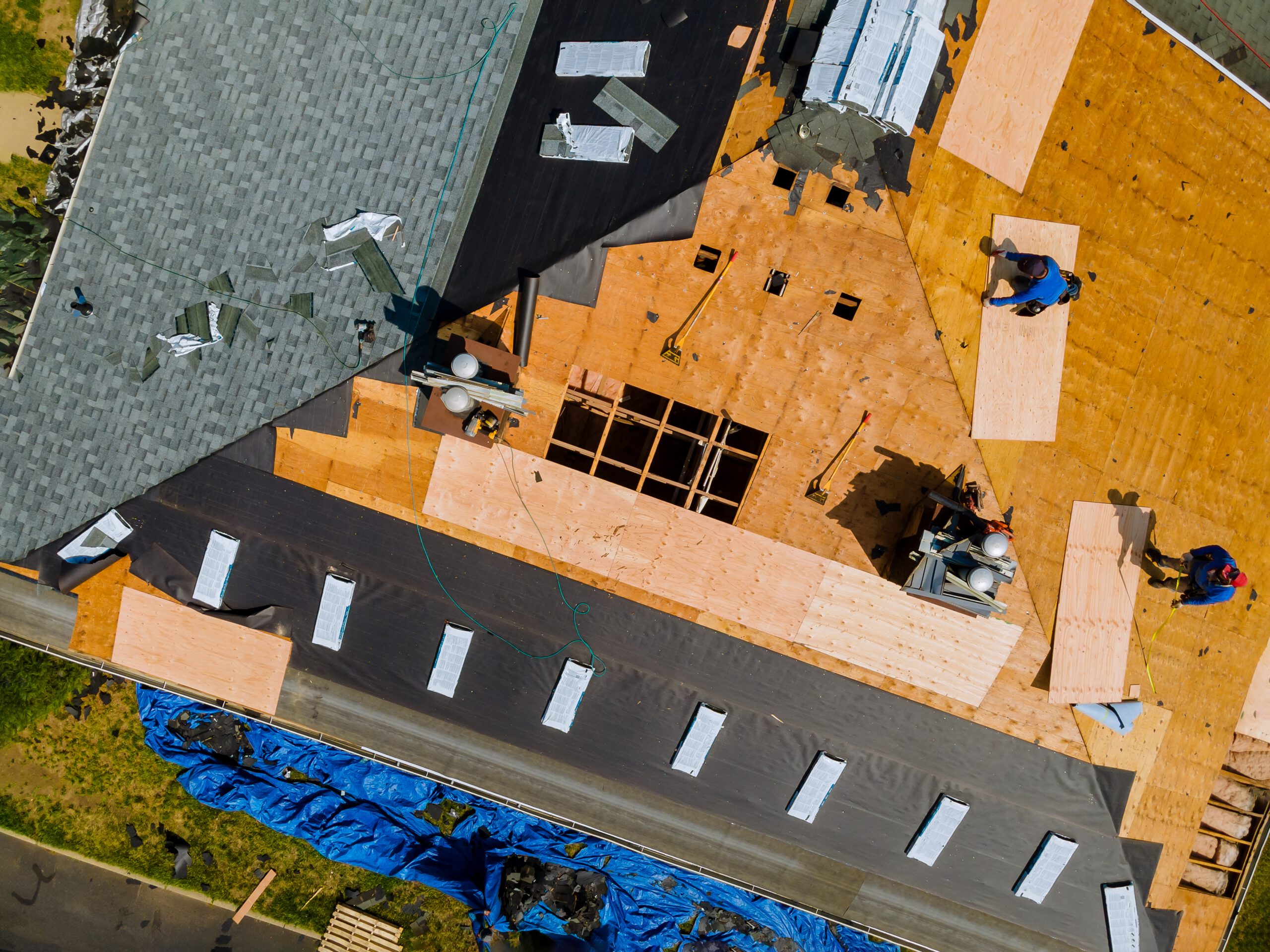
Not all roofs are simple rectangles. Many homes have complex rooflines that require additional labor and materials.
Features that may increase roofing costs include:
- Steep roof pitches
- Multiple roof levels
- Dormers
- Skylights
- Chimneys
- Valleys
- Numerous vents and penetrations
Complex roofs often require more detailed workmanship and additional safety measures during installation.
Choosing The Right Roofing Material
The material you choose has a major impact on both cost and long-term performance.
Asphalt Shingles
Asphalt shingles remain the most common roofing material in Texas because they offer a good balance of affordability, durability, and appearance.
Benefits include:
- Cost-effective installation
- Wide variety of colors and styles
- Reliable performance
- Strong manufacturer warranties
Metal Roofing
Metal roofs typically cost more upfront but can offer excellent longevity and durability.
Benefits include:
- Long lifespan
- Energy efficiency
- Excellent weather resistance
- Modern appearance
Tile Roofing
Tile roofs provide exceptional curb appeal and longevity but are generally among the most expensive roofing options.
Benefits include:
- Long service life
- Premium appearance
- Excellent weather resistance
- Strong resale value
Hidden Costs Homeowners Should Understand
Many homeowners focus only on shingles when considering a roof replacement, but there are several additional components that may need attention.
These can include:
- Damaged roof decking
- Flashing replacement
- Ventilation upgrades
- Pipe boot replacement
- Gutter repairs
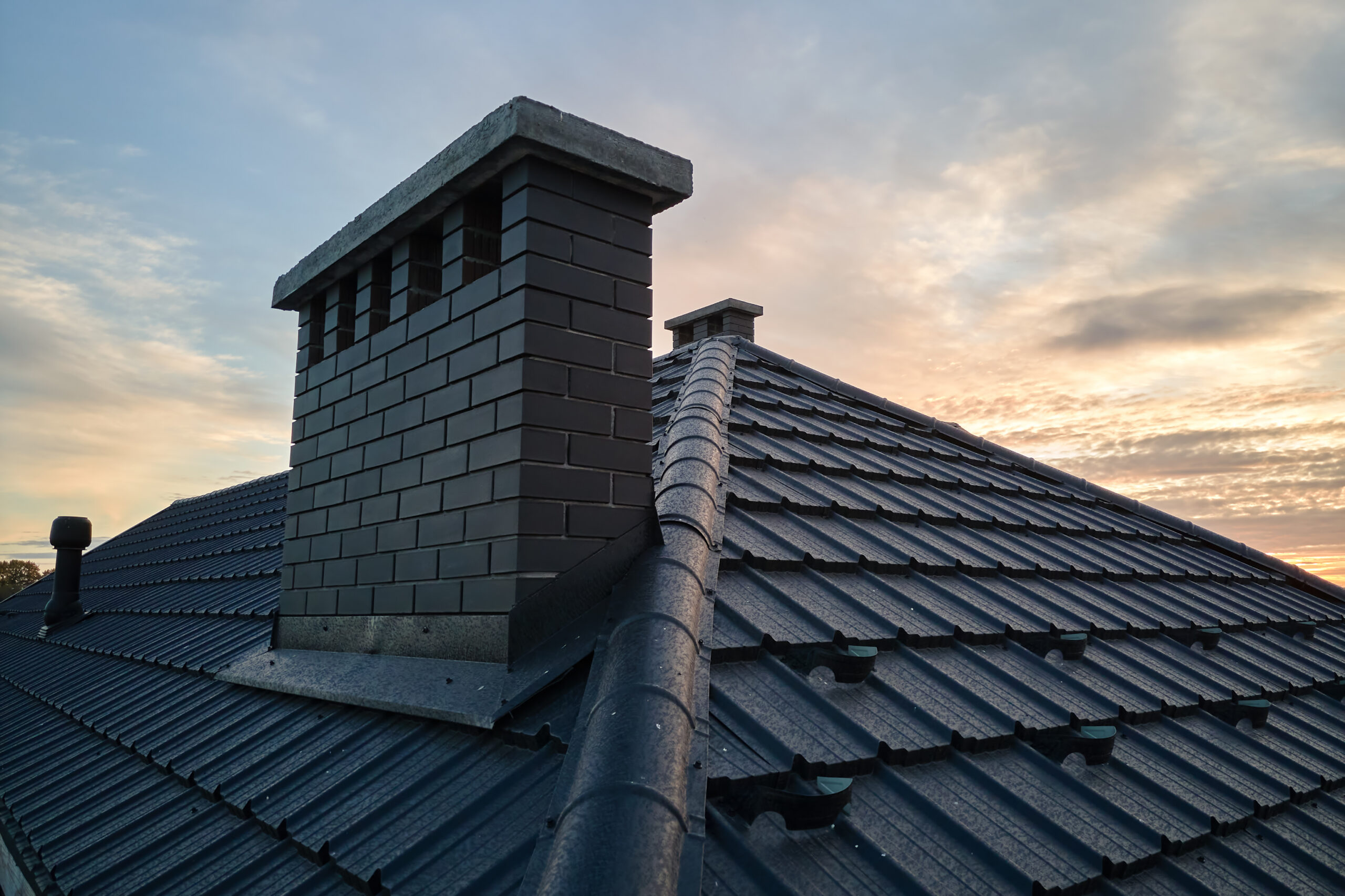
- Chimney flashing repairs
- Code-required upgrades
A thorough inspection helps identify these items before the project begins, reducing the likelihood of surprises.
Can Insurance Pay For A New Roof?
Many roof replacements in North Texas occur after hailstorms or severe wind events.
If your roof has sustained storm damage, your homeowner’s insurance policy may cover part or all of the replacement cost, depending on your coverage and deductible.
Common covered events include:
- Hail damage
- Wind damage
- Falling tree limbs
- Storm-related damage
If you suspect storm damage, it is important to schedule a professional inspection as soon as possible. Proper documentation can play an important role in the insurance claims process.
Why The Cheapest Roofing Bid Isn’t Always The Best
When comparing estimates, many homeowners naturally focus on price. However, the lowest bid is not always the best value.
Extremely low bids may indicate:
- Lower-quality materials
- Uninsured contractors
- Inexperienced labor crews
- Shortcuts during installation
- Limited warranty coverage
A roof is one of the most important investments you will make in your home. Choosing a reputable roofing contractor who uses quality materials and follows proper installation practices can save money in the long run.
How To Get An Accurate Roofing Estimate
The most accurate way to determine the cost of a new roof is through a professional roof inspection.
During the inspection, a roofing contractor can evaluate:
- The size of your roof
- The condition of existing materials
- Storm damage
- Ventilation needs
- Roof complexity
- Potential code upgrades
This allows you to receive a detailed estimate tailored specifically to your home.
A New Roof Is An Investment In Your Home
While roof replacement is a significant investment, it also provides substantial benefits.
A new roof can:
- Protect your home from weather damage
- Improve curb appeal
- Increase property value
- Improve energy efficiency
- Reduce future maintenance costs
- Provide long-term peace of mind
For many homeowners, replacing an aging or damaged roof is one of the smartest investments they can make.
Schedule A Professional Roof Inspection
If your roof is aging, showing signs of damage, or has recently experienced a hailstorm or severe weather event, now is a great time to schedule an inspection.
A professional roofing contractor can evaluate your roof, identify any issues, and provide a clear estimate based on your home’s specific needs.
Whether you need minor repairs or a complete roof replacement, understanding your options is the first step toward protecting your home and making a confident investment in your property’s future.