Your roof is your home’s first line of defense against the elements. Unfortunately, many roofing problems develop slowly and often go unnoticed until significant damage has already occurred.
In North Texas, roofs are constantly exposed to hail, strong winds, heavy rain, intense sunlight, and extreme temperature changes. These conditions can accelerate wear and tear and create hidden problems that homeowners may not immediately recognize.
Regular roof inspections can identify issues early, helping prevent costly repairs and extending the life of your roof. Here are seven warning signs that it may be time to schedule a professional roof inspection.
1. Missing, Cracked, Or Curling Shingles
Shingles are designed to protect your roof from water intrusion and weather damage. When shingles become damaged, the underlying roofing system becomes vulnerable.
Common signs of shingle damage include:
- Missing shingles
- Cracked shingles
- Curling edges
- Buckling shingles
- Loose shingles
Strong winds, hailstorms, aging materials, and prolonged sun exposure can all contribute to shingle damage.
If you notice any of these issues, it’s a good idea to have your roof inspected before the problem spreads.
2. Water Stains On Ceilings Or Walls
Water stains inside your home are often one of the clearest indicators of a roofing problem.
Look for:
- Brown ceiling stains
- Yellow discoloration
- Peeling paint
- Bubbling drywall
- Warped ceiling materials
Water can travel through the roofing system and appear far away from the actual source of the leak. A professional inspection can help locate the problem and determine the best repair solution.
3. Granules Collecting In Gutters
Asphalt shingles are coated with protective granules that shield the roof from UV rays and weather exposure.
As shingles age or sustain storm damage, these granules may begin to loosen and wash into your gutters.
While some granule loss is normal over time, excessive amounts can indicate that your roof is deteriorating and may require attention.
If you notice large amounts of granules in your gutters or near downspouts, a roof inspection is recommended.
4. Recent Hail Or Wind Storms
Many forms of storm damage are difficult to identify from the ground.
Even if your roof appears fine after a storm, hidden damage may exist.
North Texas homeowners should consider a roof inspection after:
- Large hailstorms
- High-wind events
- Severe thunderstorms
- Falling tree limbs
- Tornado activity nearby
Early detection can help prevent small problems from becoming major repairs.
5. Sagging Areas On The Roof
A sagging roof should never be ignored.
Visible dips or uneven areas may indicate:
- Water damage
- Rotting roof decking
- Structural issues
- Excess weight from trapped moisture
Sagging sections often require immediate professional evaluation to prevent further damage and potential safety concerns.
6. Your Roof Is More Than 15 Years Old
Even if your roof appears to be in good condition, age alone can justify an inspection.
Most asphalt shingle roofs last between 20 and 30 years depending on material quality, installation, maintenance, and weather exposure.
Once a roof reaches 15 years of age, regular inspections become increasingly important.
An inspection can identify early signs of aging and help homeowners plan for future repairs or replacement before emergencies occur.
7. Rising Energy Bills
Many homeowners don’t realize that roofing issues can affect energy efficiency.
Damaged roofing materials, poor attic ventilation, and moisture intrusion can cause heating and cooling systems to work harder than necessary.
If your utility bills have increased without a clear explanation, your roof or attic ventilation system may be contributing to the problem.
A roofing inspection can help identify issues that may be impacting your home’s energy performance.
What Happens During A Professional Roof Inspection?
A professional roof inspection is designed to evaluate the overall condition of your roofing system.
During an inspection, a roofing contractor may examine:
- Shingles and roofing materials
- Flashing and sealants
- Roof vents
- Pipe boots
- Skylights
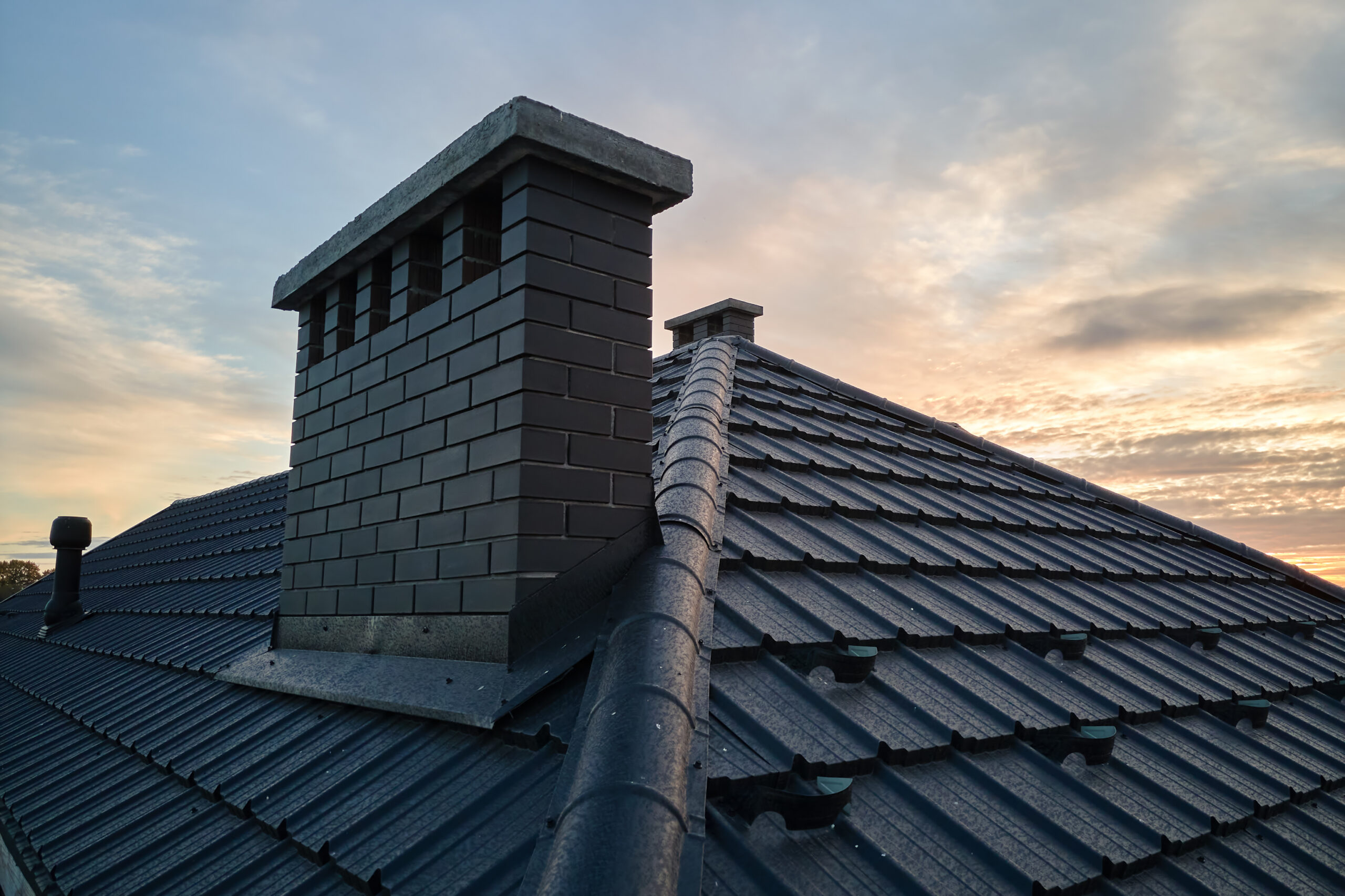
- Chimneys
- Gutters and drainage systems
- Attic ventilation
- Signs of storm damage
The goal is to identify current issues as well as potential problems that could lead to future damage.
Why Early Detection Saves Money
Many roofing problems begin as small issues that are relatively inexpensive to repair.
A missing shingle, damaged flashing, or small leak may only require a minor repair if addressed quickly.
However, when left untreated, those same issues can lead to:
- Interior water damage
- Mold growth
- Rotting roof decking
- Insulation damage
- Structural repairs
- Premature roof replacement
Regular inspections help catch problems early before they become much more costly.
How Often Should Your Roof Be Inspected?
Most roofing professionals recommend having your roof inspected at least once every one to two years.
You should also schedule an inspection after:
- Major hailstorms
- Severe wind events
- Heavy storms
- Falling tree damage
- Any signs of leaks or visible damage
Routine inspections help ensure your roof continues to protect your home and family.
Protect Your Home With A Professional Roof Inspection
Your roof works hard every day to protect your home from the unpredictable North Texas weather. Unfortunately, many roofing problems remain hidden until they cause significant damage.
If you’ve noticed any of these warning signs—or if it’s simply been a while since your roof was evaluated—a professional inspection can provide peace of mind and help prevent costly repairs.
Whether your roof needs a simple repair, storm damage assessment, or a complete replacement, identifying problems early is the best way to protect your investment and extend the life of your roof.
Don’t wait until a small issue turns into a major headache. Schedule a professional roof inspection and make sure your roof is ready for whatever Texas weather brings next.